Inside the Pig Butchering Crypto Scam: How It Works, Where It Thrives, and What To Do If You’re Targeted
The mechanics of a pig butchering crypto scam: grooming, gain, and the “harvest”
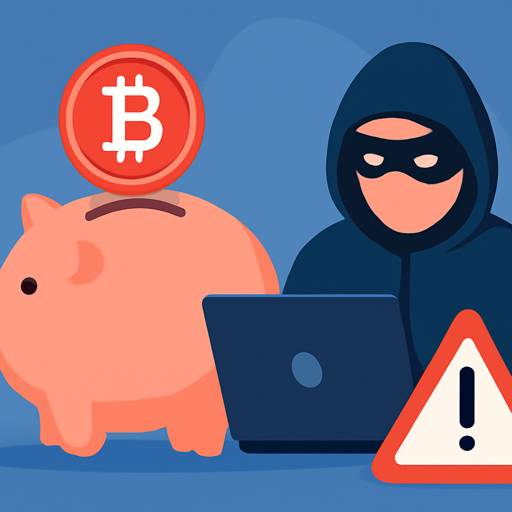
The pig butchering crypto scam is a long-con social engineering play that combines romance fraud, investment hype, and believable on-chain activity. The name comes from the method: scammers “fatten” a victim with trust and small wins before the final “butchering,” when the victim is pushed to deposit a large sum that is swiftly stolen. Unlike quick-hit phishing, this model relies on weeks or months of rapport-building and narrative control.
Engagement usually begins through a low-friction channel: an unsolicited text claiming a wrong number, a friendly introduction on WhatsApp or Telegram, or a flattering comment on LinkedIn, Instagram, or a dating app. The persona presents as stable, successful, and worldly, often sharing a routine of gym visits, meals, or travel photos to normalize daily interactions. Early conversation is non-financial. Only after intimacy or trust is established do subtle investment references appear—“I made a small gain trading last week”—evolving into “I can show you how.”
The investment arc follows a predictable pattern. First, the victim is introduced to a slick, fake trading platform that copies real exchange interfaces and even displays fabricated order books, P/L charts, and customer support screens. The victim is guided to deposit small amounts of crypto, usually stablecoins like USDT, then encouraged to attempt conservative trades. Early on, trades appear profitable; withdrawals may even be honored to reinforce legitimacy. As trust builds, the scammer suggests larger deposits and “VIP” strategies—leveraged opportunities, new token listings, or “quantitative arbitrage” that supposedly requires bigger stakes to unlock higher yields.
When the victim is heavily committed, friction begins: sudden KYC “upgrades,” surprise tax or unlocking fees, or time-limited windows requiring urgent top-ups to “avoid liquidation.” Each delay is framed as policy or compliance, not theft. If the victim resists or cannot pay, access is frozen. The platform vanishes, support goes silent, and the persona disappears. The stolen funds have already been split, moved across wallets, or routed through OTC brokers to sever traceability. The core of the play is not sophisticated trading—it’s the systematic manipulation of trust, seeded through a believable life story, reinforced by staged gains, and harvested via platform controls that never intended to honor redemptions.
Where the operations originate: call centers, coercion, and cross-border laundering
While victims are global, many operations are physically anchored in parts of Southeast Asia where weak enforcement, cross-border patronage, and lightly governed zones allow illegal call center compounds to operate openly. In segments of the Golden Triangle and certain special economic zones across Laos, Myanmar, and Cambodia, criminal syndicates have built industrialized scamming hubs. These compounds blend coercive labor with technological scale: kidnapped or trafficked workers held under debt bondage or threat are forced to run dozens of parallel chats, follow scripts, and hit weekly deposit targets.
Inside, management tiers mirror corporate structures. Recruiters hire or traffic multilingual “agents” from across Asia and beyond. Team leads distribute playbooks detailing persona building, rapport prompts, investment talking points, and objection handling. Technical teams maintain the spoofed trading platforms and spin up new domains as old ones are flagged. Finance teams move crypto through fast-settlement rails—frequently stablecoins on low-fee chains—to OTC brokers, many of whom operate in gray markets where customer identity and source-of-funds checks are lax. Network resilience comes from redundancy: if one domain is burned, another comes online; if one routing pattern draws attention, another schema is used the next week.
Laundering pipelines cross jurisdictions quickly. A common pattern involves conversion to USDT on chains like TRON due to low fees and broad exchange support, dispersal across dozens of addresses to break heuristic clustering, then settlement to OTC desks or informal money networks that payout in fiat. From there, shell companies, straw directors, and mule accounts fragment and recirculate proceeds. This is a system optimized for speed and plausible deniability: agents can claim to be sales contractors; OTC desks claim client confidentiality; mules feign ignorance. Enforcement challenges compound where borderlands, special zones, or captured local institutions slow legal cooperation.
Beyond money, these hubs are built on extraction—of labor, data, and liquidity—sustained by informal power systems that flourish where law is weak or selectively applied. The human impact is twofold: victims who lose life savings and coerced workers forced to perpetrate the fraud. Detailed reporting has traced the political economy of these compounds, showing how regional conflicts, corruption, and illicit finance converge to sustain the pig butchering crypto scam at a transnational scale. Any serious countermeasure must consider this ecosystem—not just the spoofed websites or a few wallet addresses, but the permissive environments and road-tested laundering pathways that keep the machine running.
Detection, prevention, and the first 72 hours of response and recovery
Stopping a pig butchering crypto scam starts with pattern recognition. Red flags typically surface long before money moves. Unsolicited contacts who build rapid intimacy, a “mentor” eager to move conversations off-platform, and sudden claims of algorithmic or insider-like trading access are high-risk tells. Repeated use of time pressure—countdown windows, “VIP” slots, or penalties for hesitation—signals manipulation. Requests to deposit stablecoins to addresses that cannot be verified against a regulated exchange, or directions to sign up at a little-known trading site that lacks transparent company ownership, should be treated as stop signs.
Verification is practical and fast. Reverse image search profile photos and travel shots. Demand a live video call early, and ask ordinary questions about local weather or current events to test for script deviation. Check WHOIS records of the platform domain and archive snapshots to see if it rebranded last week. Look for regulated exchange indicators: a credible license, a real corporate registry entry, and verifiable executives. Never send funds to a deposit address provided in chat. If the “mentor” claims to use a major exchange, insist on transacting entirely within that exchange’s verified ecosystem; scammers will deflect because their fake platforms cannot pass real KYC or hold institutional accounts.
If funds have moved, the first 72 hours are crucial. Immediately compile: transaction hashes, addresses, exchange account IDs, chat logs, platform URLs, email headers, and screenshots. Submit urgent fraud tickets to any exchange that received or might receive the funds, referencing the on-chain TXIDs and requesting a voluntary hold. File reports with law enforcement and cybercrime portals in your jurisdiction—timely case numbers help exchanges justify freezes. Submit suspicious activity reports with banks if fiat touched the system. On-chain analytics can sometimes identify deposit clusters linked to exchanges or OTC desks; even partial attribution can create pressure points for a freeze when paired with a formal report.
Consider parallel civil strategies if jurisdiction allows: preservation letters to exchanges or hosting providers, emergency injunctions against “persons unknown” to freeze assets, and orders akin to Norwich Pharmacal or Bankers Trust to compel disclosure of account holder data. These tools often require speed, sworn evidence, and a clear chain of transactions. Private investigators and blockchain analysts can connect wallets across chains or identify recurring cash-out routes. Success rates vary, but early action, coherent documentation, and a consistent narrative across all filings materially improve chances of partial recovery.
Organizations should treat this as a business risk, not only a consumer problem. High-net-worth individuals, fintech employees, and professionals with public profiles are targeted for higher-value “harvests.” Implement internal playbooks that cover social engineering response, wallet whitelists, withdrawal delays for new addresses, and out-of-band verification of any investment instructions. Train staff to escalate immediately when approached by “mentors” offering proprietary strategies. For teams with operational exposure in emerging or weak-enforcement markets—where informal brokers, offshore entities, or cash-heavy processes are common—embed controls that segregate duties, validate counterparties, and verify that any investment platform has real corporate substance and regulated touchpoints.
Finally, prevention thrives on cultural habits: slow down when faced with urgency; refuse investment secrecy; insist on traceability; and treat any request to bypass regulated rails as non-negotiable grounds to walk away. The scam’s power lies in narrative, not technology. Cutting the story short—by verifying facts, limiting trust to regulated channels, and documenting everything—starves the “fattening” phase and prevents the “harvest.” For those already affected, do not disengage out of shame. Escalate, document, and push across jurisdictions. In a system built on speed and silence, timely evidence and informed pressure are leverage.

Singapore fintech auditor biking through Buenos Aires. Wei Ling demystifies crypto regulation, tango biomechanics, and bullet-journal hacks. She roasts kopi luwak blends in hostel kitchens and codes compliance bots on sleeper buses.