Trash Rental Made Simple in Missouri: The Smart, Legal, and Cost‑Effective Way to Clear Debris
What Is Trash Rental and When Do You Need It?
From decluttering a spare room to knocking down a garage, projects generate more debris than most households or job sites can handle with curbside bins. That’s where trash rental—most often a roll-off dumpster delivered to your address—steps in. A roll-off container gives you a safe, centralized place to load household junk, renovation scraps, shingles, yard waste, or even heavy materials like concrete. It arrives when you need it and is hauled away on your schedule, keeping work areas clear, compliant, and moving forward. With container options that commonly include 10-yard, 15-yard, 20-yard, 30-yard, and 40-yard sizes, you can match the dumpster to the scope of your project and debris type for maximum efficiency.
Trash rental shines during home cleanouts, remodeling, roofing, storm cleanup, and commercial or construction work. For example, a small bathroom remodel or attic purge may only need a compact 10- or 15-yard container, while kitchen renovations, multi-room cleanouts, or roof tear-offs benefit from a 20-yard size. Major renovations, estate cleanouts, or demolition projects often call for a 30- or 40-yard container to handle bulkier loads. When tackling dense debris—think concrete, brick, dirt, or tile—it’s smarter to select a smaller container that can handle weight safely rather than simply aiming for volume. This approach prevents overweight charges and protects your property and the hauling equipment.
Local rules matter, too. Missouri cities may require permits when placing dumpsters on public right-of-way areas like streets or sidewalks. Driveway placement typically avoids permits, but careful site planning helps keep things smooth: level ground, adequate truck access, and protective boards on delicate surfaces are recommended. Homeowners and contractors across St. Louis, Kansas City, Springfield, Columbia, and Jefferson City rely on convenient trash rental to stay safe, legal, and on schedule. Combined with transparent service and guidance on acceptable materials, this makes it easier to sort, recycle when possible, and avoid surprises at pickup. The result is a faster, safer jobsite and fewer trips to the landfill.
How to Choose the Right Dumpster Size and Plan for Delivery
Picking the right dumpster size is about more than guessing at cubic yards—it’s about understanding your debris. A 10-yard container is ideal for small cleanouts, minor landscaping projects, or single-room updates. If you’re swapping cabinets or removing a non-load-bearing wall, a 15-yard may give extra breathing room without overwhelming your driveway. A 20-yard is the versatile workhorse for medium renovations, multi-room cleanouts, or standard roof tear-offs. Larger 30- and 40-yard dumpsters handle bulky furniture, framing lumber, drywall from full-home remodels, or light demolition. Whenever your debris is dense—like concrete, tile, or dirt—opt for a smaller size and plan to keep loads clean (single-material) so they can be hauled safely and, when possible, recycled.
Think in terms of both volume and weight. Two rooms of drywall and lumber differ from two rooms of flooring tile, even if cubic yards look similar. If you’re unsure, describe your debris type, property access, and timeline to a local provider. Clear communication helps align the roll-off dumpster size, rental period, and tonnage allowance with the realities of your project. It also reduces the risk of extra charges from overweight loads or multiple swap-outs. Plan your loading strategy, too: break down bulky items, stack materials neatly, and distribute weight evenly. Keep all debris below the container’s rim—haulers must tarpaulin the load for safe transport, and anything over the fill line may trigger a return visit fee or require offloading on site.
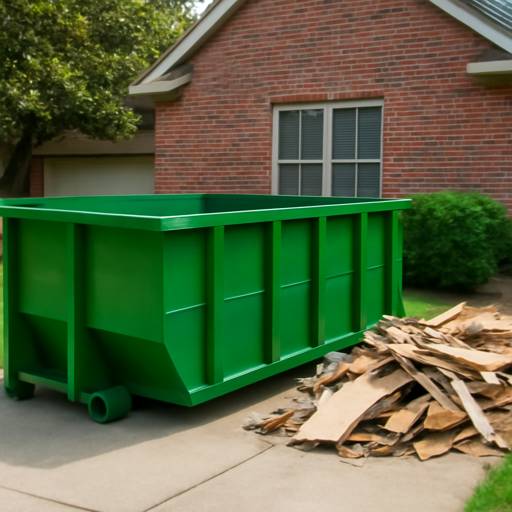
Preparation makes delivery and pickup quick and stress-free. Choose a flat surface with robust support—concrete or asphalt is best—and place plywood or boards to protect driveways if desired. Ensure there’s room for the truck to maneuver; think wide approach angles, free of parked cars, low branches, or overhead wires. If the container must go on a street or shared alley, check local permit requirements well before your start date. Schedule around active work hours to keep loading continuous and efficient, and consider weather: rain adds weight, especially to roofing debris and household junk, so plan coverings or tarps to keep materials dry. With a little foresight, dumpster sizes and delivery logistics become a seamless part of the project plan rather than a last-minute scramble.
Pricing, Permits, and Best Practices for a Smooth Trash Rental Experience
Clear pricing eliminates guesswork. Most services offer a base rate that includes delivery, pickup, disposal, a defined rental window, and a weight allowance matched to the container size. Costs vary based on the dumpster size, debris type, and location. Additional fees can apply for extended rental days, extra pickups, relocating a placed container, overfilled or overweight loads, or prohibited items found at disposal. Transparent pricing helps you forecast expenses alongside material and labor costs, while upfront guidance on local disposal rules keeps you compliant and prevents surprise charges. If your project might outgrow the initial size, compare the price of stepping up one container size versus paying for an overweight load—bigger can sometimes be cheaper in the end.
Permits are straightforward if handled early. In many Missouri municipalities—including St. Louis, Kansas City, Springfield, Columbia, and Jefferson City—a permit is required if the dumpster sits on a street, sidewalk, or other public right-of-way. The application window can vary, and some neighborhoods or HOAs have additional placement rules, appearance standards, or time limits. Your provider can advise on timing, documentation, and placement to maintain sightlines and emergency access. When possible, placing the dumpster on private property simplifies the process, but it’s still wise to verify setback requirements, avoid blocking utility access, and ensure the container won’t interfere with traffic patterns on busy delivery days.
Adopt best practices that protect your property and your budget. Keep loads level and under the fill line; lay doors closed and latched before pickup. Prevent windblown debris and water weight with a tarp when rain is forecast. Separate clean heavy debris—like concrete or brick—from mixed household junk to control tonnage and enable recycling. Avoid prohibited or regulated materials such as hazardous chemicals, wet paint, solvents, batteries, and certain electronics or appliances that contain refrigerants. When in doubt, ask for a list of accepted items and possible special handling options. Consider two short rentals for back-to-back project phases rather than one long rental if site space is tight or if tasks are staged weeks apart.
Real-world examples show how planning pays off. A homeowner in Columbia preparing for a whole-home declutter scheduled a 20-yard container to coincide with charity pickups, keeping salvageables separate and minimizing disposal volume. The result was a clean, on-time move-out and no overweight fees. A roofing contractor in St. Louis timed delivery at dawn, finished a tear-off by mid-afternoon, and requested same-day pickup to free curb space before evening traffic. In Kansas City, a remodeler split materials—drywall and lumber in one container, concrete in a smaller heavy-duty load—streamlining recycling and keeping weight within allowance. Each scenario demonstrates the value of pairing transparent pricing, timely permits, and smart loading habits with local expertise for a smoother, safer, and more economical project.

Singapore fintech auditor biking through Buenos Aires. Wei Ling demystifies crypto regulation, tango biomechanics, and bullet-journal hacks. She roasts kopi luwak blends in hostel kitchens and codes compliance bots on sleeper buses.